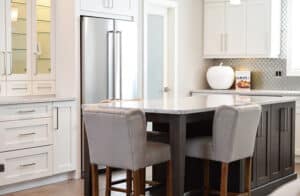
When it comes to kitchen renovations, few decisions make a bigger visual and functional impact than your choice of kitchen benchtop materials. It’s the surface you’ll use daily, for prepping, cooking, cleaning, even hosting, so it needs to strike a balance between style, durability and budget.
Three of the most popular benchtop materials in Australia are laminate, stone, and timber. Each comes with its own strengths, limitations and design appeal. So, which one is right for your kitchen?
Let’s break them down.
Laminate
Laminate has come a long way in recent years. No longer limited to dated finishes or flat colours, modern laminate options can now mimic high-end stone or timber with impressive realism, often at a fraction of the cost.
Pros:
- Affordability: Laminate is one of the most cost-effective benchtop options available.
- Variety: Comes in a wide range of colours, textures and patterns.
- Low Maintenance: Easy to clean and doesn’t require sealing.
- Lightweight: Easier to handle during installation, especially in a DIY flat pack kitchen.
Cons:
- Heat and Scratch Sensitivity: Can be damaged by hot pans or sharp knives.
- Seam Visibility: Joins may be more noticeable compared to stone.
- Shorter Lifespan: While durable, it generally doesn’t last as long as stone or timber under heavy use.
Laminate is ideal for budget-conscious renovators who want maximum design flexibility without sacrificing looks.
Stone
Natural and engineered stone benchtops, such as granite, marble or quartz (e.g., Caesarstone), are prized for their elegance and resilience. If your goal is to add lasting value to your home, stone is a top contender.
Pros:
- Highly Durable: Resistant to heat, scratches and stains (especially engineered stone).
- Elegant Appearance: Offers a timeless, high-end look.
- Long Lifespan: Stone can last decades with proper care.
- Hygienic Surface: Non-porous varieties resist bacteria and mould.
Cons:
- Cost: One of the most expensive benchtop options.
- Weight: Requires sturdy cabinetry and professional installation.
- Maintenance: Some stones (like marble) require sealing to prevent staining.
Stone suits homeowners who want a premium finish and are happy to invest in a long-term solution.
Timber
Timber benchtops bring a rich, organic warmth that softens the look of modern kitchens. Whether you prefer the golden tones of oak or the richness of walnut, timber instantly adds character and charm.
Pros:
- Aesthetic Appeal: Creates a cosy, natural feel that works in both modern and traditional spaces.
- Repairable: Scratches and marks can often be sanded back and refinished.
- Unique Grain Patterns: Every piece of timber is one-of-a-kind.
Cons:
- Maintenance: Needs regular oiling or sealing to protect against moisture and stains.
- Sensitive to Water: Not ideal near sinks or dishwashers unless well-sealed.
- Easily Scratched: Softer than stone or laminate.
Timber is perfect for homeowners who love natural materials and are willing to give their kitchen a little extra care.
So, how do you decide between laminate, stone or timber? Ask yourself these questions:
- What’s my budget?
- How much maintenance am I comfortable with?
- Is durability or appearance more important?
- What kind of vibe do I want? Sleek and modern, warm and rustic, or something in between?
At Kit Kitchens, we offer benchtops in a range of finishes to suit any style or budget. Whether you’re designing your kitchen online or getting expert help from our team, we’ll help you find the right kitchen benchtop materials to complement your cabinetry, appliances and lifestyle.